
Understanding Trusts: A Fundamental Overview
A trust is a legal arrangement wherein a "settlor" transfers ownership of assets to a "trustee", who manages the assets on behalf of specified "beneficiaries". The trust deed, which is its foundational document, outlines the operational rules of the trust, ensuring clarity in decision-making and asset management.

For Ultra High Net-Worth (UHNW) individuals, trusts serve various purposes, including:
Facilitating succession planning and asset protection
Arranging efficient cross-border wealth transfers
Safeguarding family wealth from political, social, or economic instability
Allowing flexible management and control over assets
At the heart of trust structuring is the degree of control the settlor retains. This not only influences trust design but also determines its legal validity.
Maximizing Control: Tools and Techniques
For UHNW families, maintaining control over wealth while benefiting from the advantages of a trust is a delicate balancing act. Several mechanisms can help a settlor retain influence over trust assets and decisions without jeopardizing the trust’s integrity.
1. Reserved Powers Trusts
In various offshore jurisdictions like Jersey,[1] Guernsey,[2] Cayman Islands,[3] and the DIFC,[4] trust legislation allows the settlor to "reserve" certain powers to themselves or to an appointed protector. These powers can include:
The ability to remove and replace trustees
The right to veto investment or distribution decisions
The power to direct investment strategy or approve specific transactions
The authority to add or exclude beneficiaries
A reserved powers trust provides a flexible solution, allowing the settlor to stay involved without maintaining formal legal ownership, thus offering control over key aspects of trust administration.
2. Appointment of a Protector
Another mechanism for retaining control is the appointment of a protector, often a trusted advisor or family member, who acts as an intermediary between the settlor and the trustee. The protector may hold significant powers, including:
Approving or vetoing trustee decisions
Appointing or removing trustees
Consenting to substantial distributions
This structure introduces an additional layer of oversight, offering both flexibility and peace of mind for the settlor while ensuring trustees maintain autonomy.
3. Letter of Wishes
A Letter of Wishes is a non-binding document provided by the settlor to the trustees, outlining their intentions for trust administration. Though not legally enforceable, the letter carries significant moral weight and helps guide trustees in making decisions when explicit instructions are lacking.
4. Dual or Private Trust Companies
In certain jurisdictions, it is possible to establish a Private Trust Company (PTC) that acts as trustee, typically controlled by the family or its advisors. This structure allows for operational control while maintaining a separate legal entity as the trustee, offering a blend of independence and family oversight.
5. Discretionary vs. Fixed Trusts
A discretionary trust grants trustees broad authority to determine how and when assets are distributed, whereas a fixed trust mandates distributions according to a set schedule. A hybrid approach may be used to blend both, allowing the settlor to retain influence over specific decisions without undermining the trust's flexibility.
The Dangers of Excessive Control: Sham Trusts and Legal Risks
While it’s tempting to retain as much control as possible, excessive authority over a trust can lead to significant legal risks. A trust that fails to meet the requirements of true divestment may be deemed a “sham trust”. However, it is important to note that maintaining excessive control may affect the health of the trust and expose it to legal challenges.
What is a Sham Trust?
A sham trust is one in which the settlor and trustee do not genuinely intend to divest control of the assets. Instead, the settlor continues to exercise effective ownership, making the trust appear legitimate in form but invalid in substance. Courts may "look through" the legal structure, declaring the trust invalid and potentially voiding asset protection, taxation benefits, and succession planning.
Indicators of a Sham Trust
The settlor treats trust assets as personal property (e.g., using or disposing of them freely)
The trustee acts solely on the settlor’s instructions, without independent judgment
The trust deed reserves too many powers for the settlor, making the trustee’s role nominal
There is little evidence of independent trust administration
Risks and Consequences
Assets may not be protected from creditors, divorce settlements, or forced heirship claims
The trust may be disregarded for tax purposes, leading to penalties or increased liability
Increased exposure to litigation, with courts potentially "piercing the veil" of a sham trust
Succession planning objectives may be fundamentally undermined
Shariah Law and Lifetime Gifts: Implications of Excessive Control
For many Middle Eastern UHNW individuals, aligning with Shariah law is essential. Shariah principles govern inheritance and the distribution of assets, prescribing fixed shares to heirs and limiting the ability to make discretionary bequests.
1. Trusts and Shariah Abatement Risk
While trusts can be structured to comply with Shariah law (e.g., by ensuring that the trust mirrors forced heirship rules), excessive settlor control can trigger the following issues:
Incomplete Gifts: Under Shariah, a gift (hiba) is valid only if the settlor fully divests ownership and possession. If the settlor retains control over the assets, the gift may be deemed incomplete, exposing assets to inheritance claims.
Accusations of Evasion: Courts or family members may challenge the validity of the trust if it appears to circumvent Shariah succession principles, particularly if settlor control is evident.
Lifetime vs. Testamentary Transfers: Shariah law distinguishes between lifetime gifts (inter vivos) and those made upon death (testamentary). Excessive control can blur these distinctions, leading to the reclassification of trust assets and potential redistribution among heirs.
2. Documentation and Transparency
Clear documentation of the settlor's intentions and the process of asset transfer is essential. Trustees should evidence independent administration, and trust deeds should be drafted to withstand scrutiny, both by secular courts and those applying Shariah principles.
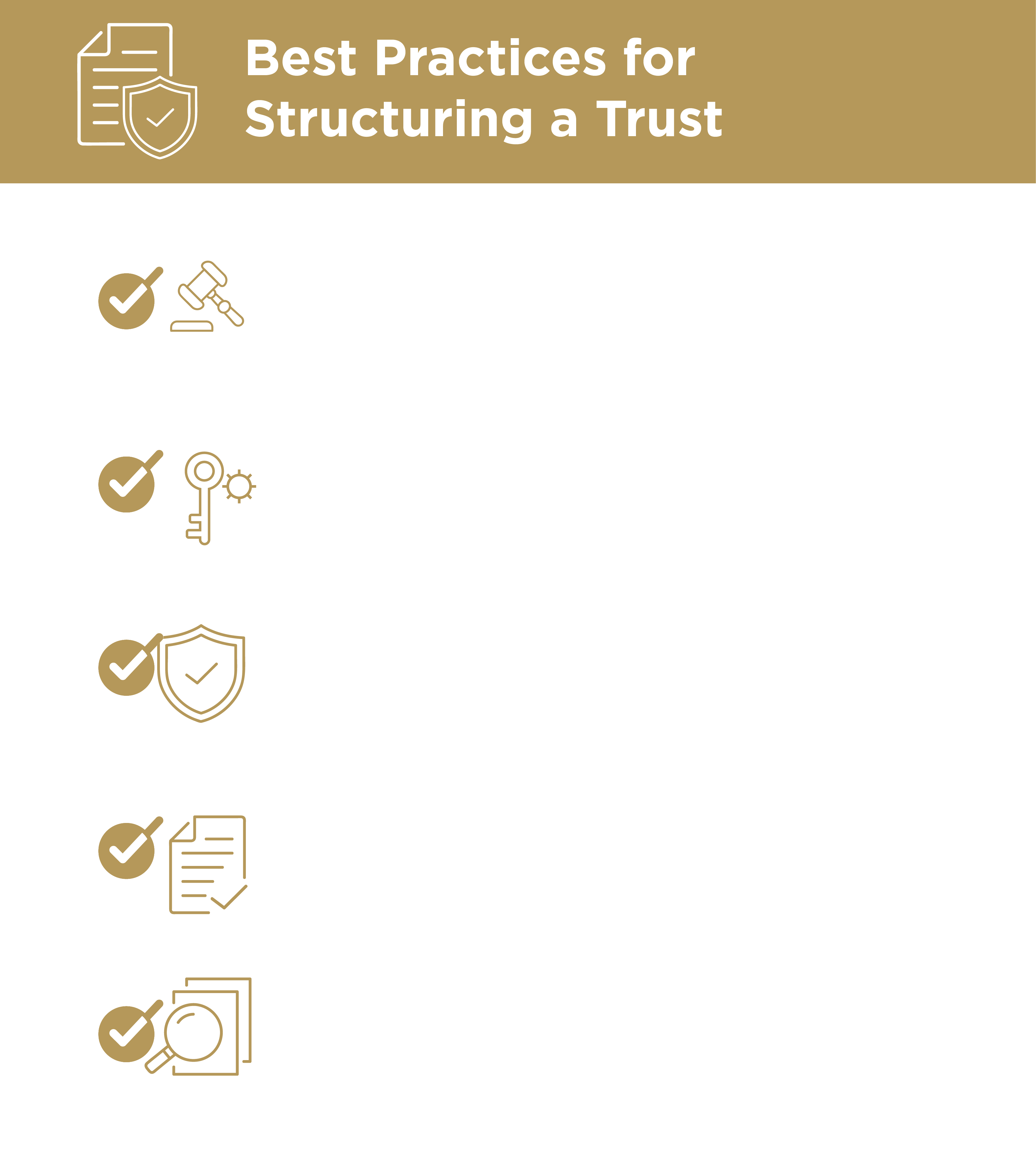
Best Practice Recommendations for UHNW Families
To avoid the risks outlined above, UHNW individuals should adopt a measured approach when structuring trusts:
Engage experienced legal counsel familiar with both international trust law and regional (including Shariah) requirements.
Use reserved powers judiciously, ensuring trustees retain meaningful independent authority.
Appoint a reputable protector to balance settlor wishes with trustee independence.
Maintain transparent records of trust decisions and asset management to demonstrate compliance.
Regularly review trust structures to ensure alignment with evolving legal requirements and family circumstances.
 Conclusion
The desire for control over family wealth is understandable, especially among Middle Eastern UHNW individuals accustomed to active stewardship. However, excessive control can compromise the very advantages a trust is meant to provide, risking asset protection, tax benefits, and successful succession planning. By carefully balancing influence with trustee independence, UHNW families can structure trusts that meet their legal, legacy, and compliance goals for generations to come.
Please contact your relationship manager for a wealth planning assessment and expert support in wealth structuring.


