
For families with substantial investment assets, the key question is not simply which corporate tax rate applies, but whether their existing ownership structure remains appropriate for their long-term objectives.
A changing tax landscape
The UAE introduced a federal corporate tax regime in 2023, with a standard rate of 9% on taxable income exceeding AED 375,000.[1] Oman generally applies a 15% corporate income tax rate,[2] while Qatar's standard 10% rate is subject to important ownership-based exemptions.[3]
Saudi Arabia generally applies a 20% corporate income tax rate to the taxable profits attributable to non-Saudi ownership interests in resident capital companies, subject to applicable exceptions,[4] while zakat generally applies to Saudi and qualifying GCC ownership interests, subject to applicable regulations.[5]
Bahrain has proposed introducing a 10% corporate income tax on qualifying local companies, potentially from 2027, subject to legislative approval.[6][7] Kuwait generally applies a 15% corporate income tax to foreign corporate entities conducting business in the country, while a separate 15% domestic minimum top-up tax applies to qualifying multinational enterprise groups.[8]
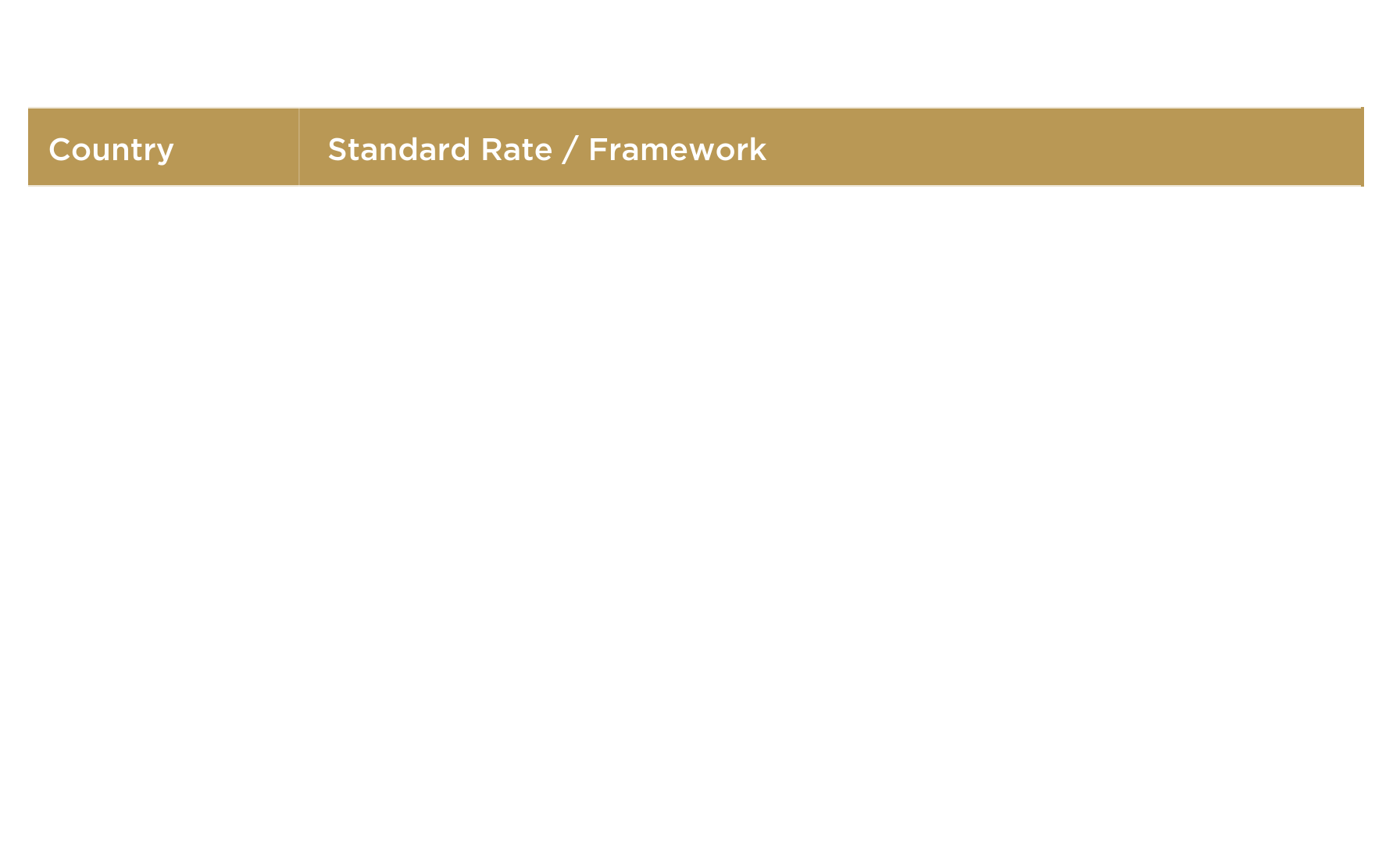
These differences demonstrate why families should assess their actual tax exposure rather than rely on headline rates.
Why investment structure matters
Consider a family business holding a $20 million investment portfolio that generates an annual return of 8%, equivalent to $1.6 million before tax.
If the entire return were treated as taxable income and subject to a hypothetical flat tax rate of 9%, the resulting annual tax would amount to $144,000. While simplified, this example illustrates how taxation of investment income can reduce the capital available for reinvestment and long-term compounding.
In practice, taxable income may differ significantly from total investment returns, depending on the nature of the underlying assets, the treatment of realized and unrealized gains, applicable exemptions and the relevant jurisdiction's tax rules.
Separating investment assets from an operating business does not automatically eliminate tax exposure. It may nevertheless improve financial transparency, clarify the purpose of different pools of capital and support more effective long-term wealth planning.
Structuring wealth for the next generation
A dedicated investment holding structure may help families distinguish capital intended for long-term preservation from assets used to finance day-to-day business operations.
Depending on the family's circumstances, this separation can support clearer governance, succession planning and risk management. It may also create opportunities for more efficient tax treatment, provided the arrangement complies with applicable legal, regulatory and tax requirements.
The choice of structure should consider more than potential tax savings. Relevant factors include ownership, economic substance, reporting obligations, investment flexibility, and the costs of establishing and maintaining the arrangement.
Diversification beyond the operating business
Beyond the legal and tax considerations of wealth structuring, investment diversification is another important component of long-term wealth preservation. For many families in the Gulf, a significant proportion of wealth is concentrated in their operating businesses and domestic markets. Building a diversified investment portfolio across asset classes, sectors, and geographies can help reduce reliance on any single business or market.
Managing these investments through a dedicated portfolio can also support a more deliberate approach to asset allocation, risk management, and long-term investment objectives. While the appropriate legal structure depends on each family's circumstances, combining thoughtful wealth structuring with a diversified investment strategy can support long-term financial resilience.
Keeping wealth structures aligned with changing conditions
As tax regulations, market conditions, and family priorities evolve, periodic reviews can help ensure that investment portfolios and ownership structures remain aligned with long-term wealth objectives.
Such reviews can help families identify emerging tax considerations, reassess investment allocations and address potential gaps in their wealth planning.
A coordinated approach involving investment, legal and tax specialists can help families evaluate their options, address emerging considerations and avoid unnecessary complexity.
Conclusion
Changes in Gulf corporate tax regimes reinforce the importance of thoughtful wealth planning. For families managing both operating businesses and long-term investment portfolios, reviewing ownership structures, diversifying investments and maintaining appropriate governance can support the preservation of wealth across generations.
The Family Office, in partnership with licensed legal, tax and estate planning professionals, can help families assess their wealth structures, coordinate tax and succession planning considerations, and develop diversified investment portfolios aligned with their long-term wealth preservation objectives.
[1] United Arab Emirates Ministry of Finance
[2] Sultanate of Oman Tax Authority
[4] Zakat, Tax and Customs Authority
[5] Zakat, Tax and Customs Authority
[6] Kingdom of Bahrain Portal for Sustainable Development Goals


