
Markets are currently betting that they will pause at the upcoming January meeting, as data about the economy continues to trickle in.[2] In this article, we cover the points you need to know, and assess what it means for your portfolio.
The December Meeting
The decision to cut by a quarter percent was not unanimous. In line with his previous dovish stance, Stephen Miran urged for a 50 basis point cut, while two of his colleagues (Goolsbee, Schmid) voted to hold rates unchanged.[3]
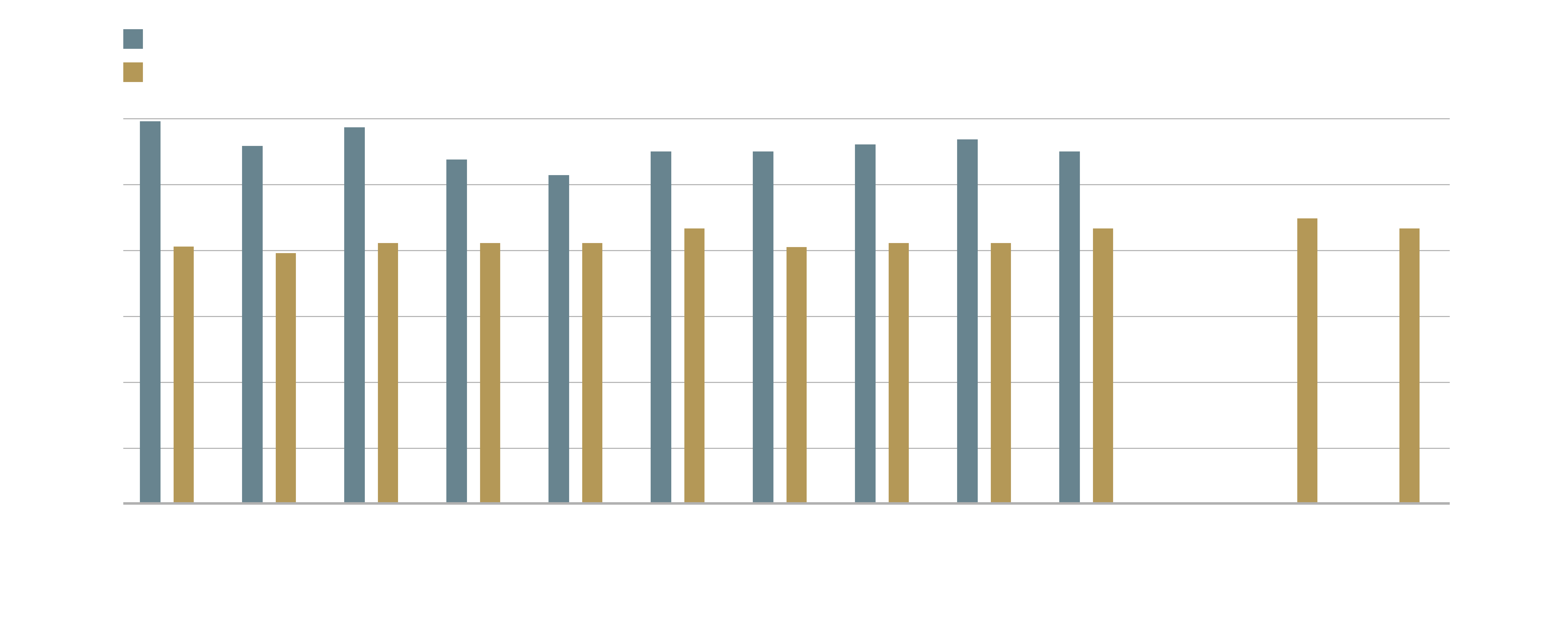
The Fed is being pulled in two different directions. On the one hand, the unemployment rate rose from 4% in January to 4.4% by the close of year. Meanwhile, progress on inflation appears to have stalled. At the last reading, the Fed’s preferred inflation gauge (Core PCE) was hovering at 2.8%, clearly above target.
This means that there are arguments for both camps, and no satisfactory way of resolving the tension.
The Fed’s latest economic projections, which were released in December, imply that they are aiming to reach an interest rate of 3.1% by 2028 (i.e. two further cuts, one per year), and that inflation will decline to 2% by the same deadline.[4] However, these projections are predicated on broadly optimistic assumptions about resilient growth and falling unemployment.
Peering Through the Fog
The absence of important inflation and employment data has made the situation harder to resolve. Owing to the government shutdown, the latest PCE inflation data is from September, as of the time of writing.[5] The most recent CPI figures appear to show headline inflation cooling from 3% in September to 2.7% in December,[6] although this data has been criticized as flawed by some economists, owing to holes in the data during the shutdown.[7]
The latest JOLTS report, while not yet indicating a recession, paints a picture of a ‘frozen’ job market, with job openings and layoffs both down (low-fire, low-hire).[8] The Non-Farm Payrolls data, released shortly thereafter, reinforces the picture of a job market that is stable but stagnant.[9]
On the positive side, 2025’s average monthly growth of ~49k jobs (while roughly one third of the pace of growth in the previous year) is within an acceptable “breakeven” range, according to the latest official analysis.[10] GDP growth was also higher than expected in the third quarter at 4.3%, implying that demand is not weakening.[11]
The New Fed Chairman
Adding to the complexity is the current question of who will take the reins from the embattled Fed Chairman Powell. Powell is, as of January 9th, the subject of a DOJ probe relating to statements about renovations made to the central bank’s offices.[12] It remains to be seen whether this will progress to the point of a criminal investigation.
While President Trump has publicly denied that he is, as Powell claims, using state machinery to place pressure on the Fed to lower rates, he has been vocal about the need for rate cuts, and is believed to favor his own staffer Kevin Hassett to replace Powell when his term ends.[13] A leadership change could translate into a fundamental reset of the Fed’s approach, from its current ‘data-dependent’ philosophy to its target ‘neutral rate’ of 3%.
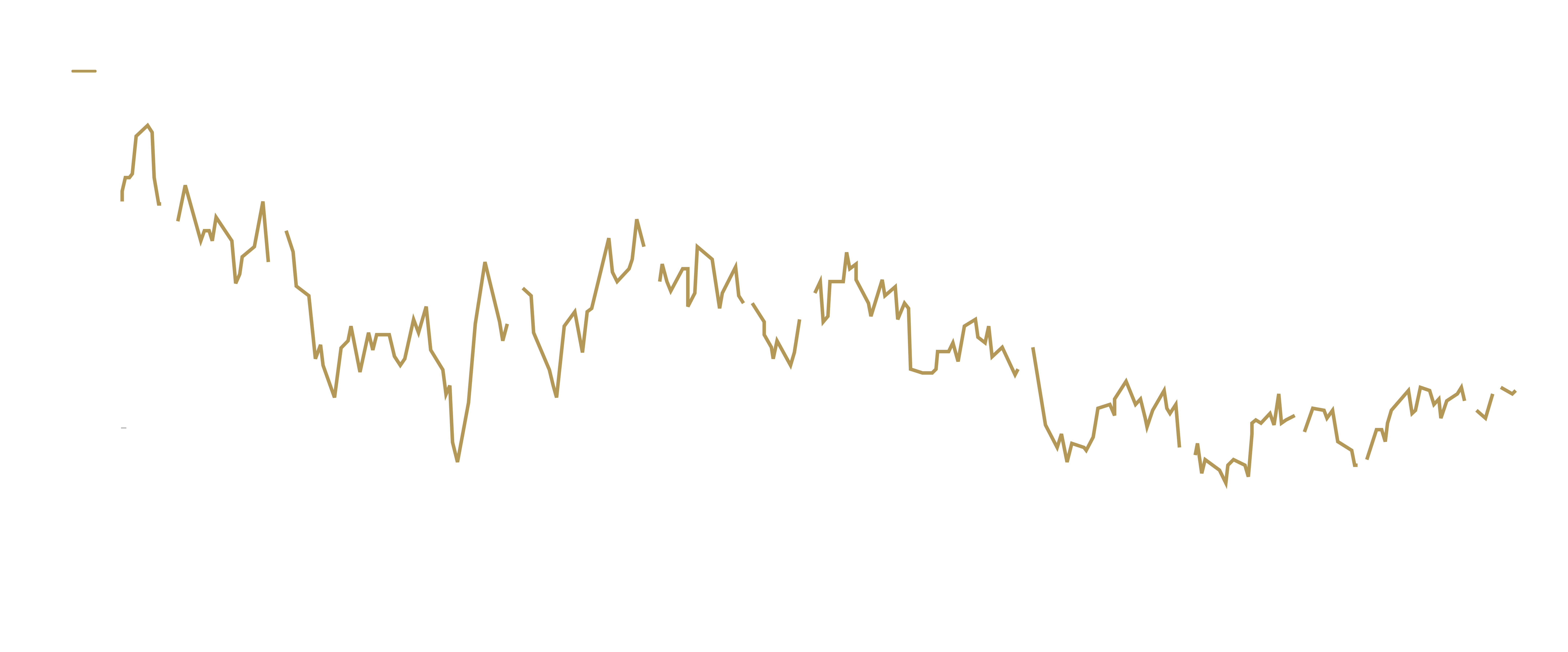
However, given the scale of US government debt, the decision will also be influenced by the bond market, which may react poorly to the appointment of a perceived loyalist - Treasury yields spiked in December in response to the initial rumors concerning Hassett’s appointment.[14] The decision, set to be announced this month, is a highly consequential one and could upset many forecasts.
 Conclusion
As should be clear from the above, the notion that one can ‘read the tea leaves’ on the basis of the current combination of missing, inconclusive, and disputed data, coupled with the potential for a fundamental change of Fed’s modus operandi, is for the birds.
It is not a question of making the right trade through accurate predictions, but designing a portfolio that can withstand uncertainty through adequate preparation. This, as we have written about elsewhere, is why diversification remains the sine qua non of successful investing.
[5] Bureau of Economic Analysis
[6] Bureau of Labor Statistics
[8] Bureau of Labor Statistics
[9] Bureau of Labor Statistics


