
For investors, the question is no longer simply whether a portfolio is diversified across asset classes. It is whether that portfolio is diversified across the risks that matter most.
Recent findings from UBS's Global Family Office Report 2026 suggest that many family offices are reassessing portfolio construction through a broader lens, expanding diversification across regions, currencies, and jurisdictions alongside asset classes.[1]
Diversification and concentration are not opposites
A portfolio may hold dozens of investments and still remain highly concentrated.
Concentration can exist in multiple forms:
Geographic concentration in a single country or region
Currency concentration in one dominant currency
Sector concentration in a limited number of industries
Economic concentration tied to similar drivers of return
For example, a portfolio invested across multiple companies may still be heavily exposed to a single market or economic cycle. Similarly, investors may own assets across different geographies while maintaining most of their exposure to one currency.
Diversification therefore is not simply about the number of investments held. It is about reducing reliance on any single outcome.
Diversification is evolving
Many sophisticated investors are increasingly adopting a broader approach to diversification.
According to UBS's report, family offices are diversifying not only across asset classes, but also across regions, currencies, and jurisdictions. The report also found that 88% of family offices hold bankable assets in two or more jurisdictions, highlighting the growing importance of geographic and structural diversification.
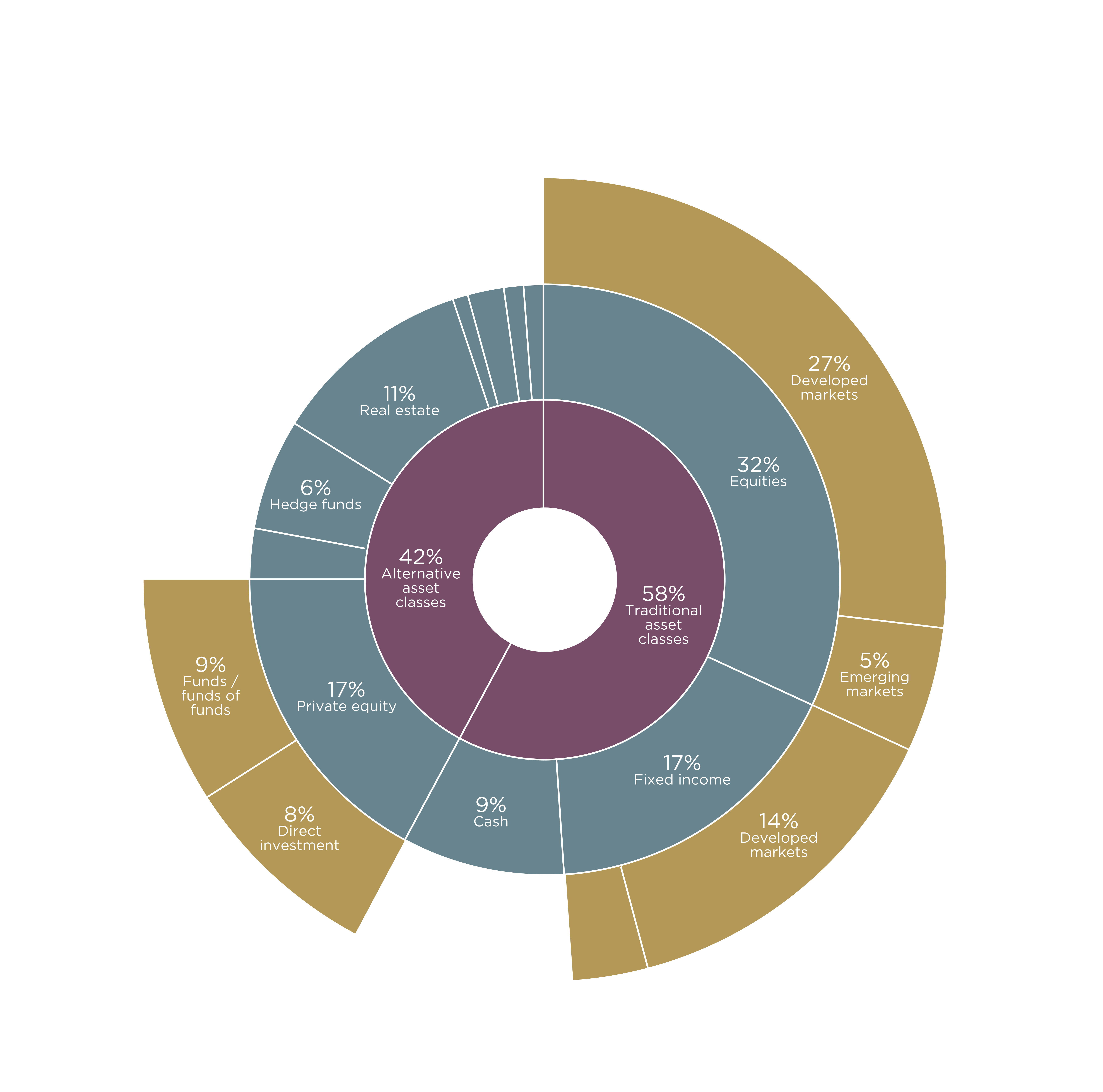
The chart below illustrates that family office portfolios often combines traditional asset classes with alternative investments such as private equity, private debt, real estate, infrastructure, and precious metals. While asset allocation remains a cornerstone of diversification, investors are increasingly looking beyond asset classes alone when constructing resilient portfolios.
A diversified portfolio does not eliminate risk. Rather, it seeks to build resilience by reducing dependence on a single asset class, market, or economic outcome.
Geographic diversification is becoming increasingly important
Global markets have become more interconnected, but they do not always move in the same direction.
Regional economic cycles, monetary policies, political developments, and growth trajectories can differ significantly across geographies.
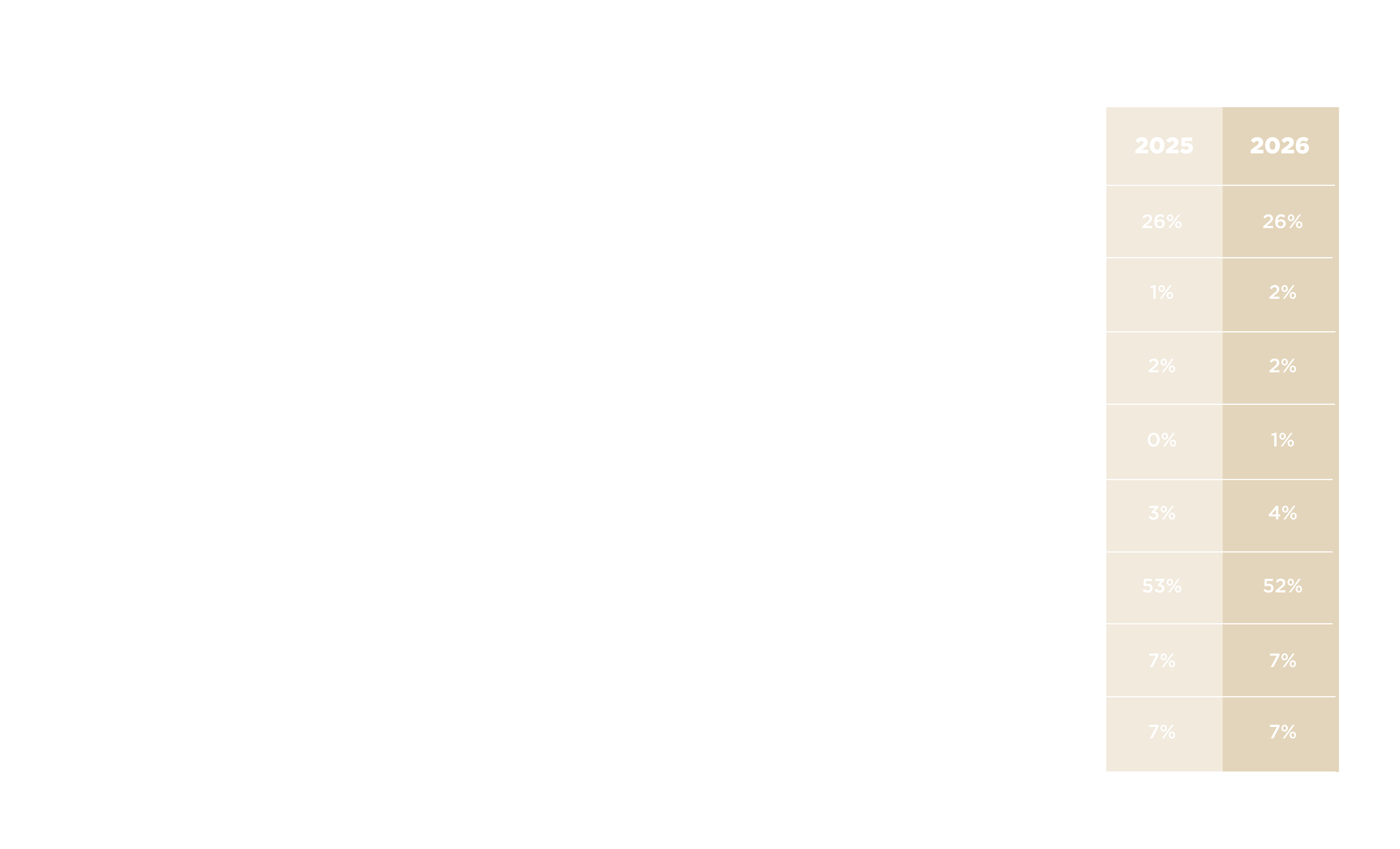
Recent UBS data indicates that family offices continue to maintain meaningful exposure across multiple regions while gradually reassessing regional allocations. North America remains the largest allocation globally, but investors are also maintaining exposure to Western Europe and Asia Pacific.[2]
The chart below illustrates how family office allocations span multiple regions, reflecting an effort to balance opportunities across different markets and economic environments.
Geographic diversification allows investors to access a broader set of opportunities while reducing reliance on the performance of any single market.
Diversification also includes currencies
Diversification across asset classes and geographies may not fully address concentration risk.
Currency exposure can significantly influence portfolio outcomes, particularly for investors with international holdings or long-term wealth preservation objectives.
A portfolio may appear diversified across asset classes and regions while remaining largely dependent on one currency.
As global investors increasingly consider currency risk, diversification across currencies has become another dimension of portfolio construction and risk management.
Building resilient portfolios in a fragmented world
The investment environment continues to evolve. Geopolitical developments, changing monetary conditions, and technological disruption can create both opportunities and risks.[3]
In such an environment, diversification is no longer a static exercise. It is an ongoing process of portfolio construction, review, and adjustment.
At The Family Office, we believe that building resilient portfolios requires a disciplined approach to diversification across multiple dimensions, including asset classes, geographies, currencies, and investment structures.
Successful investing is not about predicting a single future. It is about preparing portfolios for a range of possible outcomes.
To better understand your portfolio's diversification, try our Diversification Calculator.
Conclusion
Diversification remains one of the most powerful tools available to investors. But its application has evolved.
Today, effective diversification extends beyond simply holding different asset classes. It increasingly involves balancing exposures across regions, currencies, and other sources of risk.
In an increasingly fragmented world, portfolio construction is becoming more complex, reinforcing the importance of having an experienced partner and a disciplined investment framework.
[1] Global Family Office Report 2026 | UBS Global


