
What is an independent wealth manager?
An independent wealth manager is a specialist firm that provides wealth management outside a banking group. It gives you access to investment opportunities and builds and manages a portfolio tailored to your financial objectives, reviewing it as your needs evolve.
The practical value of independence lies in how the firm makes decisions: its investment approach, the opportunities it considers, the managers it selects, and the reasons behind its recommendations.
For you, this means understanding how each recommendation fits your objectives, what it costs, and why it belongs in your portfolio. Clarity helps you make informed decisions and builds the foundation for a lasting relationship.
Do I need a wealth manager if I already manage my investments?
You may benefit from professional support even if you are an experienced investor. The question is whether you have the time, expertise, and relationships to explore opportunities and build a portfolio that serves your wider goals.
Investing independently often starts with readily accessible stocks and bonds. But stopping there can leave an important part of the investment universe unexplored: institutional-grade opportunities in private equity, private credit, and real estate that are not traded on public exchanges and may be difficult to access individually.
These private investments can offer additional sources of long-term growth and income that could complement your existing portfolio. Accessing selected opportunities, however, can require substantial capital, established relationships with asset managers, and the expertise to evaluate them. An experienced independent wealth manager can bring these resources together, helping eligible investors access opportunities that may be difficult to reach individually and assess how they fit their financial goals.
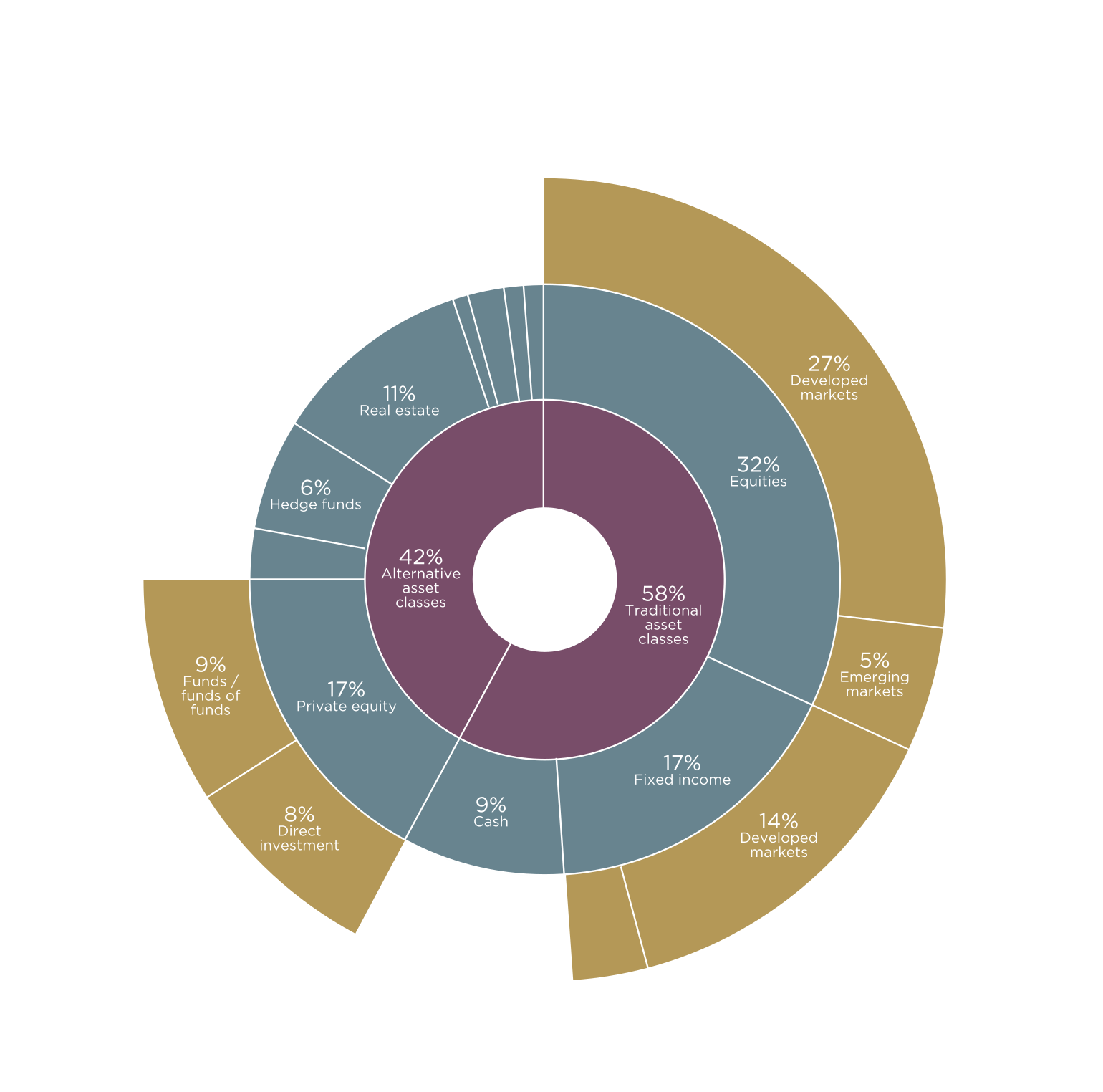
Private investments already play a meaningful role in many family office portfolios. UBS’s Global Family Office Report 2026 reported average allocations of 17% to private equity and 3% to private debt in 2025 among the family offices surveyed. Your own allocation should reflect your objectives, investment horizon, and liquidity needs.[1]
Access is only part of the value. A business owner, for example, may hold company shares, property, and investments that depend on similar economic conditions. A wealth manager can assess that overall exposure and determine whether selected private investments could broaden the portfolio’s sources of growth and income, while accounting for their risks and longer holding periods.
A business sale, an approaching retirement, or changing family commitments can also make a coordinated plan more useful. Our article, Do You Need a Wealth Manager?, explores when professional support may help.
Can I work with an independent wealth manager alongside my existing bank?
An independent wealth management relationship can sit alongside your banking arrangements. Your bank may continue to provide everyday accounts and other banking services, while a specialist wealth manager supports a broader investment strategy.
What matters is how these arrangements work together. Your bank and wealth manager should have clearly defined roles, and your investment strategy should take account of your wider holdings and financial commitments.
Is independent wealth management only for the very wealthy?
Eligibility depends on the firm, service, investment minimum, and applicable investor requirements. There is no single threshold that applies to every independent wealth manager.
Start by considering what you need help with. Then establish whether the firm serves investors with your circumstances and whether its offering is suitable for you. A clear discussion of scope and eligibility helps you assess the relationship early.
How do I know which independent wealth manager is right for me?
Look for a combination of relevant experience, a clear investment process, and an approach you understand. The team should explain how a strategy fits your objectives and time horizon, and how it balances the risks you take with the potential returns you seek.
The discussion should also consider what risk means for you. Alongside the possibility of investment losses, there is the risk that your wealth may not grow enough to support your future needs. An appropriate strategy should consider both, balancing the money you need available today with the growth your longer-term goals may require.
Transparency also matters. In CFA Institute’s 2022 investor trust study, clear cost disclosure and openness about conflicts were among the factors retail investors valued most in a trusted advisory relationship.[2]

Use these factors as a starting point for evaluating a firm. Understand who will oversee your portfolio, how progress will be assessed, and what support you can expect when markets or your circumstances change. Verify the relevant entity’s authorization for the services offered.
Our Wealth Manager Selection guide provides a deeper framework for assessing a potential partner’s ethics, investment philosophy, discipline, and experience.
What am I paying for?
Fees reflect the expertise and ongoing work involved in building and managing your portfolio: shaping a strategy around your goals, evaluating investment opportunities and the managers behind them, providing access to selected private market investments, and monitoring your portfolio over time.
The service also includes keeping you informed through clear reporting and regular reviews, so you can understand how your investments are progressing and whether your strategy continues to meet your needs.
Before committing, make sure you understand the full fee structure, including underlying fund costs and any performance fees, and what services are included. This helps you assess the overall value of the relationship.
How could private markets fit into my investment plan?
Private markets can provide exposure to businesses and assets beyond public exchanges. Their role should follow from your objectives and existing portfolio. For example, money needed for an upcoming family expense has a different purpose from capital you can commit for several years.
Manager selection is especially important: understand how opportunities are sourced, investigated, selected, and monitored. An experienced team should explain the investment’s risks, costs, valuation approach, and exit arrangements in a language you understand.
An appropriate allocation to private markets should support your long-term goals while ensuring you retain sufficient readily accessible funds for short-term needs.
Will I still have a say in how my wealth is managed?
Your involvement depends on the agreed arrangement. Some services require your approval for investment decisions; others delegate decisions within an agreed mandate. Establish the responsibilities, limits, and reporting arrangements before you commit.
If you have managed your investments for years, accepting a different perspective can take time, particularly when it involves changing holdings that have served you well. Your wealth manager should explain the reasoning behind proposed changes and give you space to discuss them, so you can move forward with understanding and confidence.
Whatever the model, you should understand the strategy and have a clear way to discuss changes to your goals. Delegating investment decisions should come with visibility into how your portfolio is managed.
What should I expect from the first conversation?
Expect a discussion about your circumstances: your assets and liabilities, sources of income, family commitments, investment experience, and priorities. Bringing this information together can reveal commitments or concentrations that are easy to overlook when accounts and investments are reviewed separately. Where decisions affect your family, involving them can also help establish a shared understanding of your goals and concerns.
Bring a broad picture of your finances and the questions that matter most. A useful conversation should help distinguish money you may need soon from capital you can invest for longer, and clarify the balance you want between growth, income, and risk.
You should leave with a clearer understanding of the service, its costs, and the next steps. Our article, Wealth Management: Explained, describes how objectives, risk profiling, portfolio construction, and ongoing monitoring come together.
Global investment expertise. A strategy built around you.
The Family Office is an independent wealth management firm with more than 22 years of experience helping individuals and families preserve and grow their wealth. We build personalized portfolios in private markets, including private equity, private credit, and real estate, through partnerships with leading global asset managers such as BlackRock, KKR, and Carlyle. Our investment team carefully evaluates opportunities and monitors investments throughout their lifecycle.
We combine this expertise with a digital experience that makes managing your wealth simpler and more transparent. You can access your portfolio, performance, and reports through our digital platform, while our use of artificial intelligence helps connect information and insights across our teams to support a more informed, responsive service.
Your objectives remain the starting point. Whether you are preparing for retirement, investing the proceeds of a business, or building a legacy for your family, we work with you to shape an investment strategy around what you want to achieve and support you as your needs evolve.


