
The Limits of Traditional Portfolio Diversification
The premise of the 60/40 portfolio relies on stocks and bonds behaving differently during periods of stress. In recent years, that relationship has weakened. Rising inflation and synchronized central bank actions have pushed equity and fixed-income correlations higher, reducing the protection investors once relied on.
Research shows that during periods of rate shocks, both asset classes can move in the same direction, leaving portfolios more exposed than expected.[1]
At the same time, public markets themselves have become more concentrated. A small group of large companies, especially technology firms, now make up a significant share of major equity indices. For example, the top 10 stocks in the S&P 500 account for nearly 38% of the index’s total market capitalization, meaning investors may believe they are diversified when, in reality, they are exposed to similar growth drivers and risks.[2]
The Part of the Economy Markets Don’t Fully Show
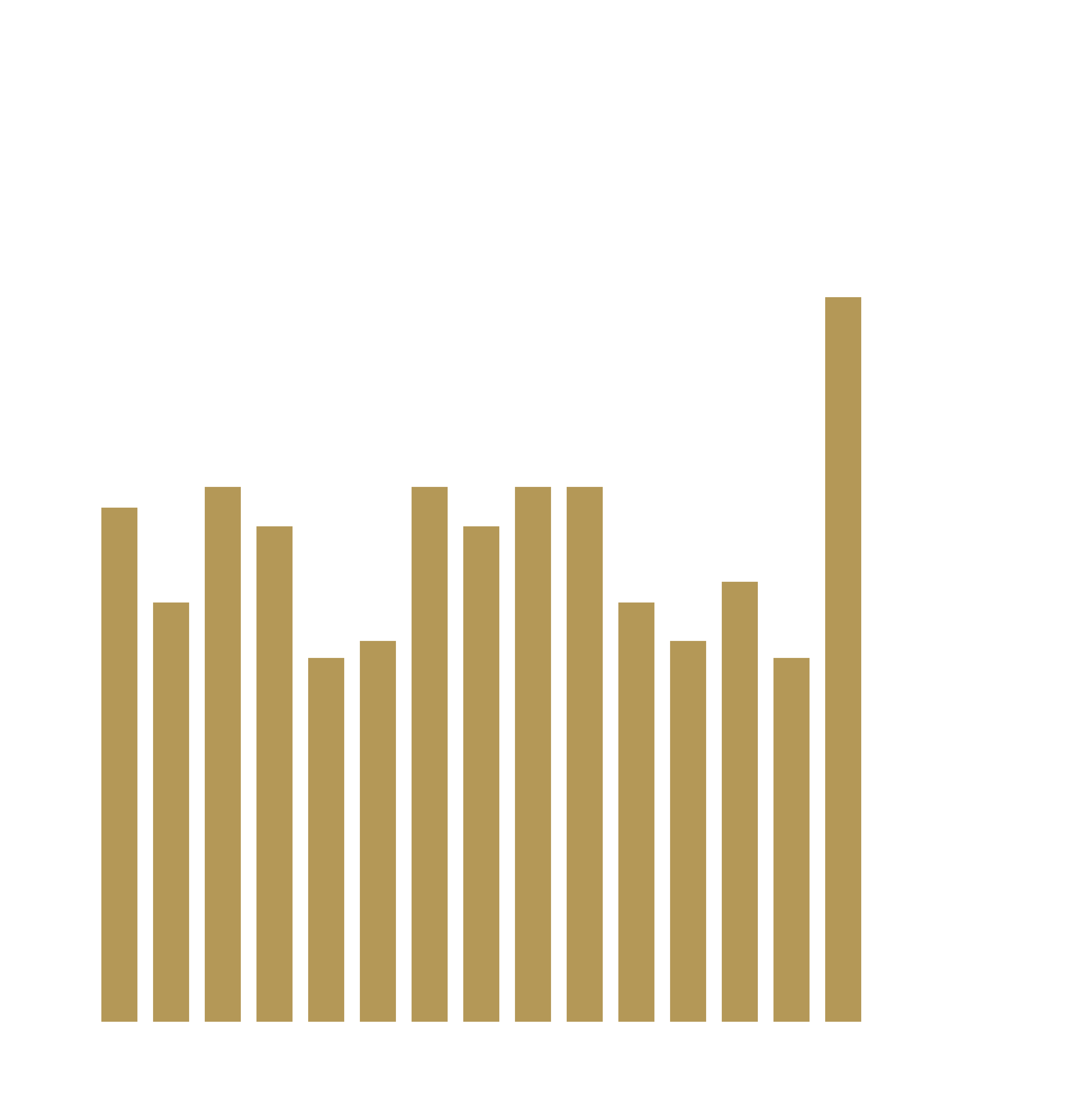
Another shift often overlooked is how much of the global economy now sits outside public markets. The number of listed companies has declined across major exchanges, while private companies stay private longer. Today, there are more than 215,000 companies backed by private equity and venture capital, compared with about 8,800 companies in broad global public equity indices such as the MSCI ACWI Investable Market Index, nearly 25 times more private companies than public ones.[3]
Yet despite this scale, private markets represent a smaller share of total investable capital. Private markets offer exposure to sectors that rarely dominate public indices. Industrial services, logistics, healthcare providers, infrastructure, and real estate operators all form part of the “real economy”, where revenues and growth are tied to demand, execution, and long-term trends rather than short-term market sentiment.
How Value Is Actually Created
One of the key differences between public and private markets lies in how returns are generated. Public market returns often depend on changes in valuation multiples and investor sentiment. Private market returns tend to come from improving businesses directly. This includes expanding operations, strengthening balance sheets, consolidating fragmented industries, or improving cash-flow stability. Because private assets are not traded daily, performance is driven more by underlying fundamentals than by market mood. Over long periods, this distinction has mattered.
This does not mean private markets are risk-free. Illiquidity, longer holding periods, and manager selection all matter. The difference is that risk is managed through structure, discipline, and active ownership rather than daily price movements.
Why Access and Selection Matter
Private markets are not easily accessible. Top-tier managers often limit capital, minimum investments are high, and performance dispersion between funds can be wide.
This creates an access gap. Institutional investors, such as pension funds and endowments, have long benefited from dedicated teams focused on sourcing, diligence, and portfolio construction across private assets.
Family offices operate in a similar way. At The Family Office, private markets are not treated as standalone opportunities. They are integrated into portfolios with clear objectives, pacing, and diversification across strategies and vintages. Through this approach, private market strategies that were historically available only to large institutions can be accessed within a structured, disciplined framework.
This approach mirrors how leading institutions allocate capital. In McKinsey’s 2025 Global Private Markets Report, around 30 percent of institutional investors surveyed said they plan to increase their private equity allocations in the next 12 months, and many other investors signaled intentions to allocate more capital to private market strategies overall, reflecting sustained interest in private assets for long-term portfolios.[4]
A Practical Shift for the Years Ahead
The environment heading into 2026 calls for a broader investment toolkit than the one that served investors over the past decade.
Public markets remain important. They offer liquidity and transparency. Yet relying on them alone may leave portfolios exposed to concentrated risks and rising correlations.
Private markets offer a complementary path. They provide access to a wider economic base, different return drivers, and long-term value creation rooted in businesses and assets.
This is not about chasing returns or abandoning public markets. It is about modernizing portfolios to reflect how the global economy actually functions today.
At The Family Office, we help investors build this balance with clarity, discipline, and institutional insight, anchoring portfolios for the cycles ahead.


